Power through Nature: Measuring the Social and Environmental Value of Reforestation
Greater value's unlocked when you consider the social benefits of nature-based solutions. A process and methodology reflection by AXA XL and Envoy Partnership.
Lessons and innovation from calculating the social and environment return on investment of a degraded land reforestation project
Key Messages
About the Project
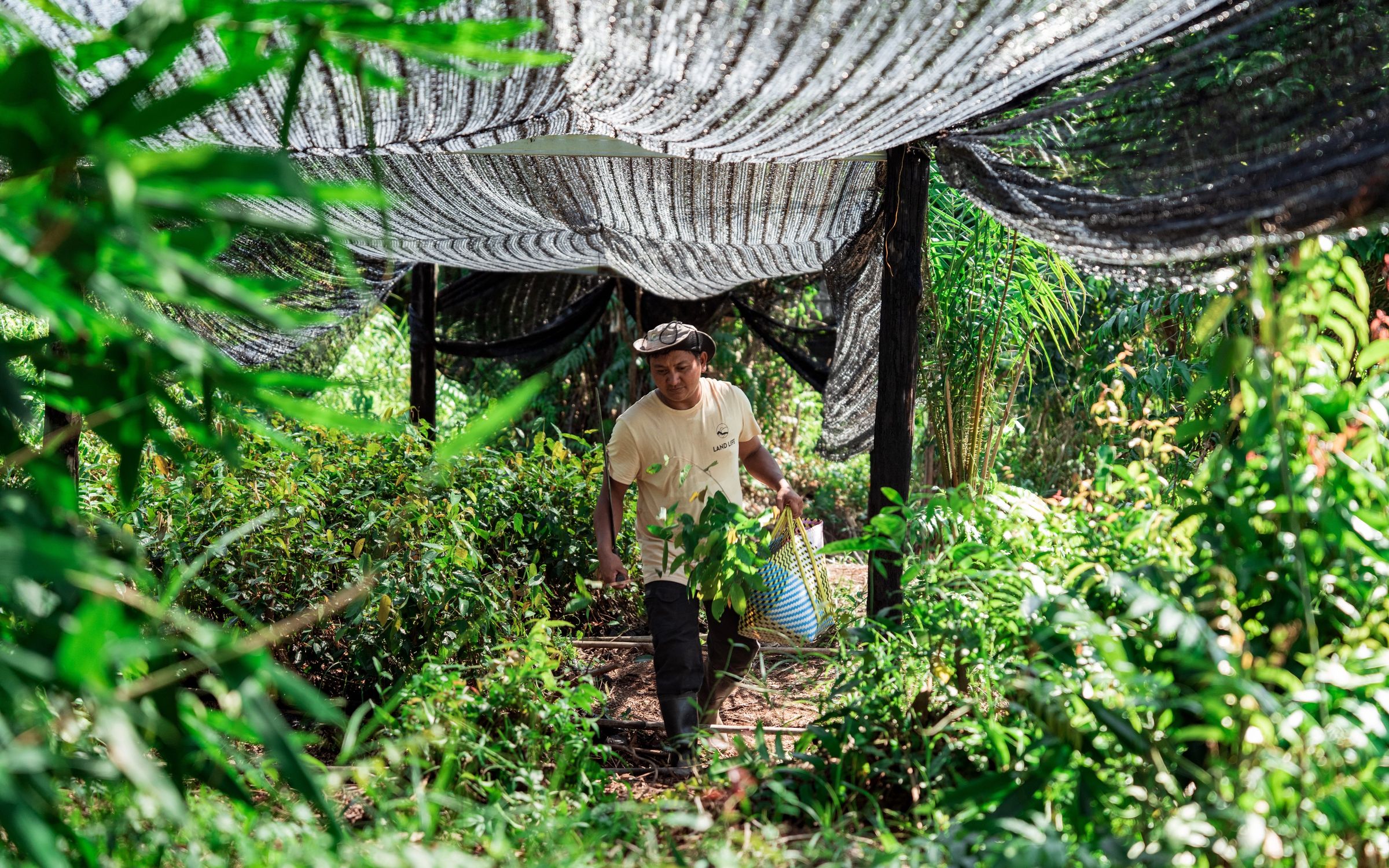
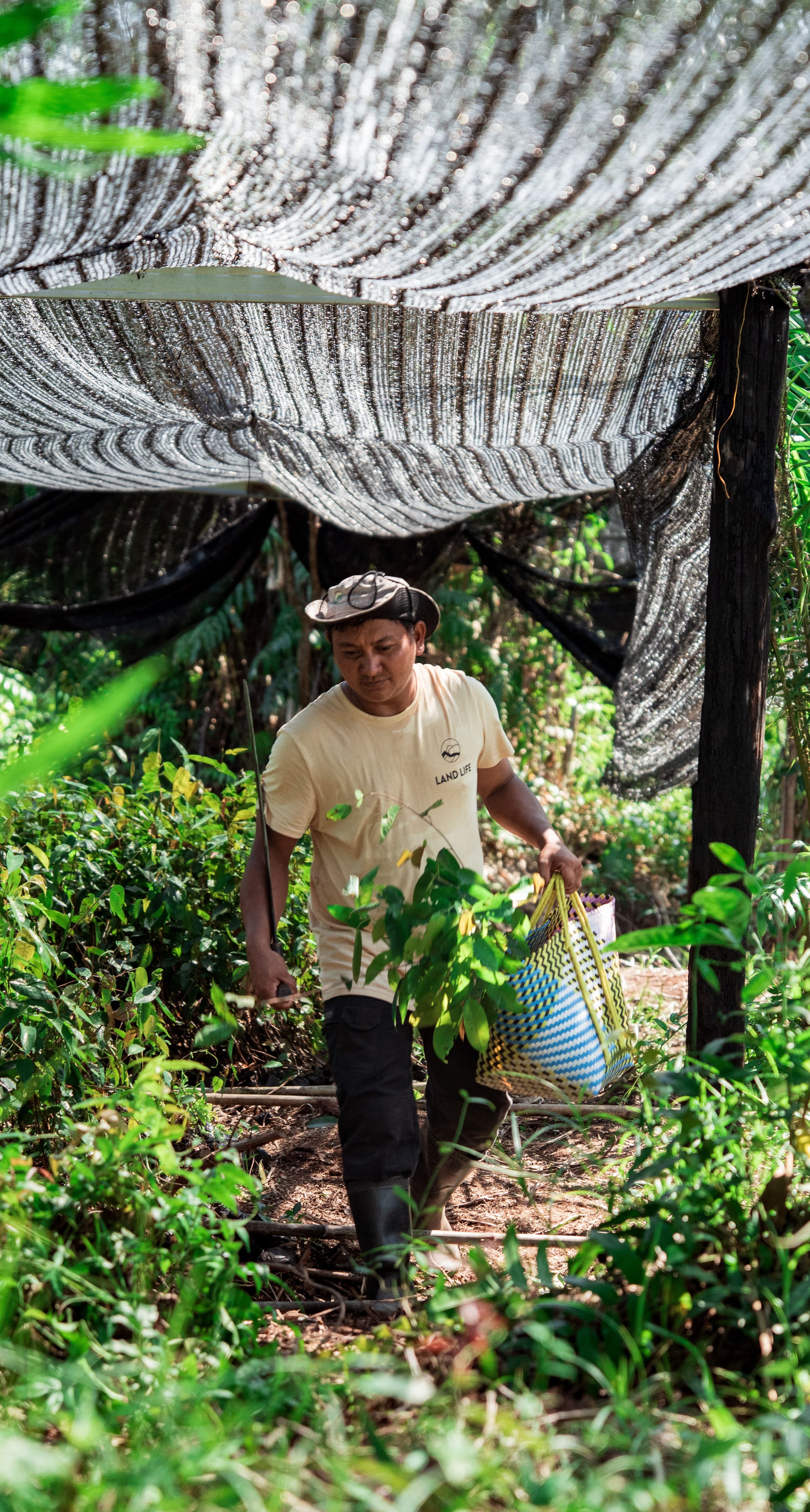
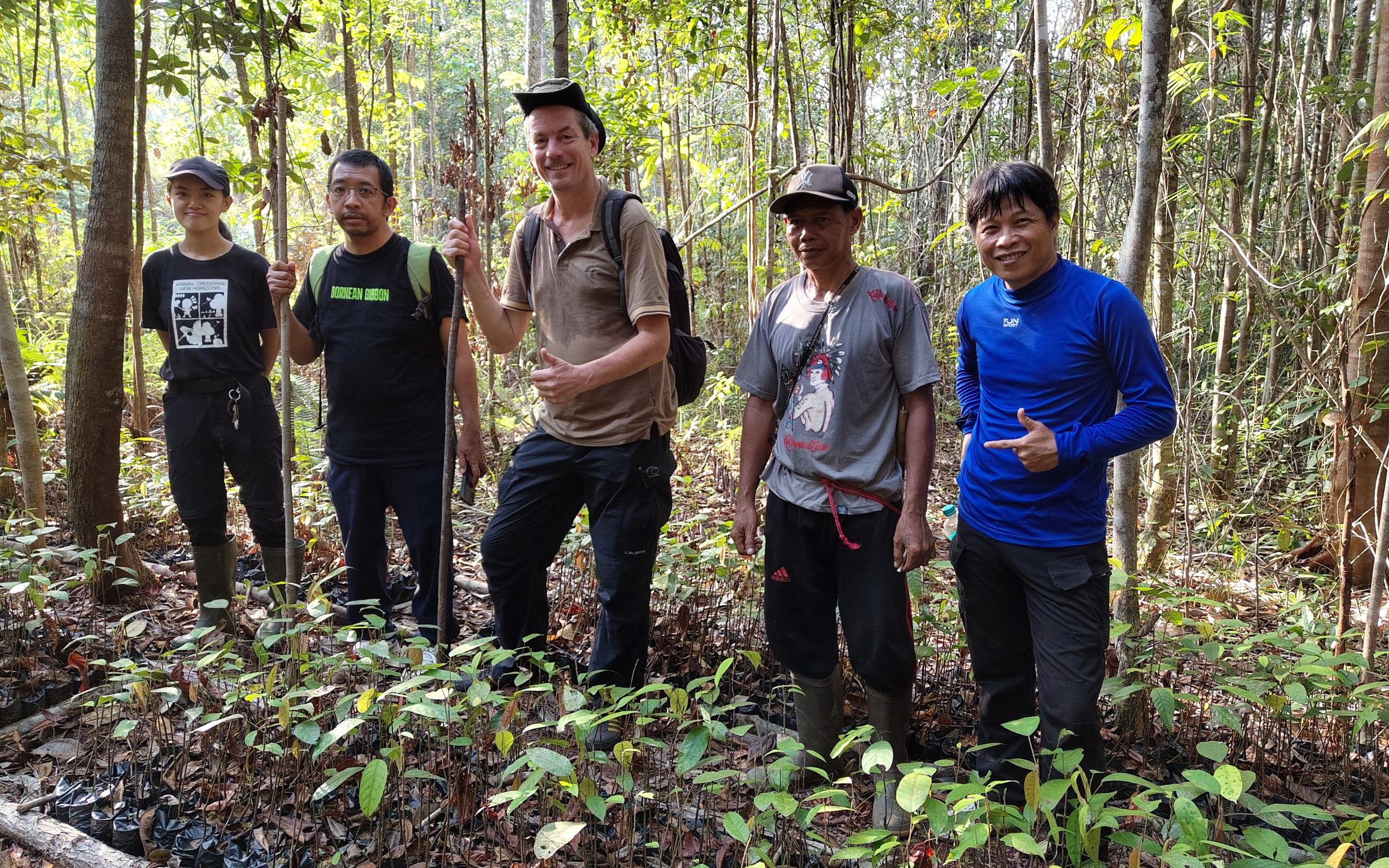
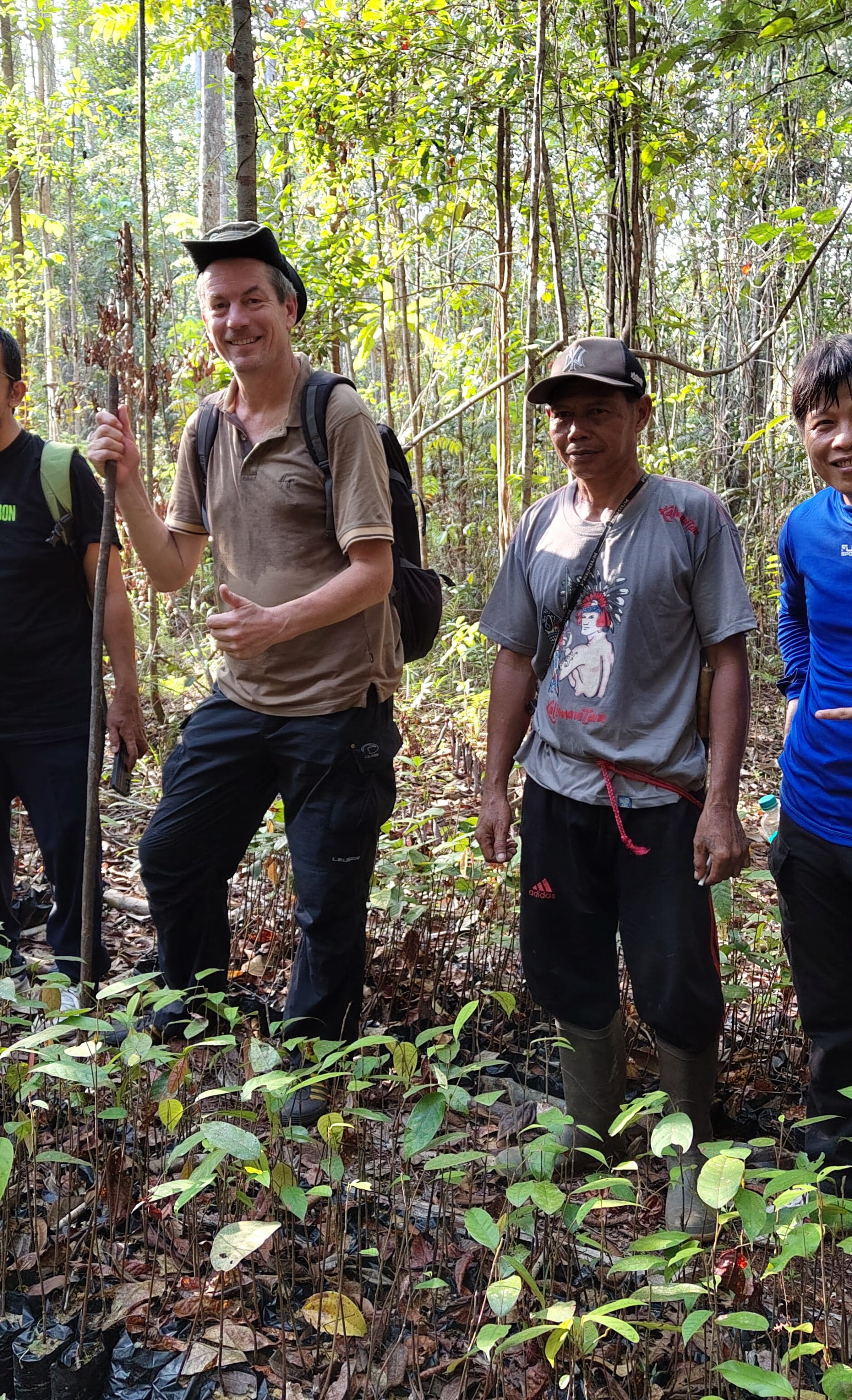
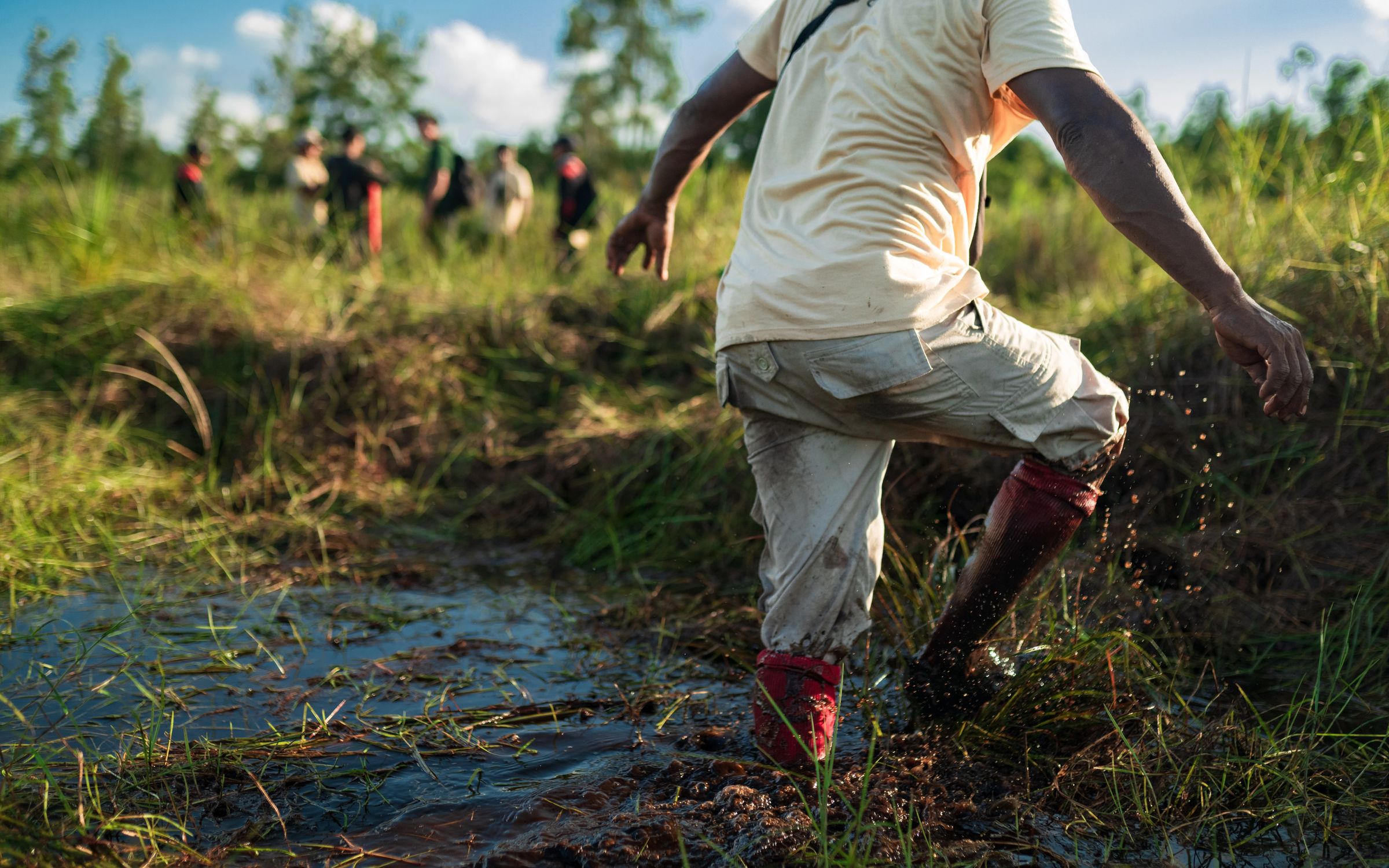
Since 2022, AXA XL has funded a community-led reforestation project in Rungan, Central Kalimantan, Indonesia, in collaboration with Land Life, a technical land restoration company, and Borneo Nature Foundation (BNF), an established local conservation NGO. The project aims to plant over 100,000 trees across 10 to 18 diverse native species, restoring approximately 160 hectares of land degraded by gold mining and deforestation into a rich, biodiverse habitat.
Endangered species including orangutans and clouded leopards stand to benefit from this restored ecosystem. Alongside ecological outcomes, the project seeks to employ, upskill and raise awareness among local communities, delivering meaningful value for both people and nature.
To comprehensively capture the social and environmental impact of this innovative project, AXA XL has commissioned Envoy Partnership, a social value and impact management consultancy, to complete a Social Return on Investment (SROI) evaluation in partnership with Land Life and BNF. The SROI methodology, based on Social Value International principles, involves stakeholder-informed identification of outcomes which are then assigned a financial proxy to produce a ratio of social and environmental value generated per dollar invested.
While SROI is a well-established evaluation methodology in health, social care and the built environment, its applicability in the sustainability and climate space is gaining momentum through increased use in impact investment funds, linked to ESG disclosures (e.g. SFDR, TNFD). This project is contributing to that shift, and this piece reflects on the process and key methodological learnings from the team.
Greater value is unlocked when you consider the social benefits of nature-based solutions.
When this project was initially scoped, Land Life had already been working to measure environmental outcomes: reforested land, improved biodiversity, soil and water quality. Through on-site surveys, advanced mapping techniques and a thorough biodiversity baseline, the team employed innovative methods, including bioacoustic data capture, to track the evolving composition of the ecosystem. This exceptional depth of environmental data is one of the distinguishing features of this evaluation, and it supports more precise and defensible valuations of ecosystem services, carbon sequestration and biodiversity over time.
The introduction of the SROI methodology opened new, structured discourse between AXA XL, Land Life, Envoy and BNF about the social outcomes that reforestation activities were generating. With BNF's deep local knowledge, the team began to map stakeholder groups and identify outcomes through workshops, correspondence and joint working sessions. One of the most striking insights from this project so far is the degree to which social and environmental outcomes are interconnected and mutually reinforcing. A more sophisticated picture emerged, identifying that social outcomes arising from nature-based solutions are not only present but plentiful. This included skill development, local employment and economic activity, access to forestry products, community cohesion, spiritual and wellbeing benefits, infrastructure development and emerging ecotourism opportunities.
Land Life has reflected that this work has helped strengthen how social value is considered, evaluated and communicated across projects, particularly where there are opportunities for meaningful community partnerships. It also points to a broader opportunity: nature-based solution practitioners who demonstrate strong co-benefits, including social value, are better placed to reach new and diverse funders and stakeholders within and beyond the reforestation sector.
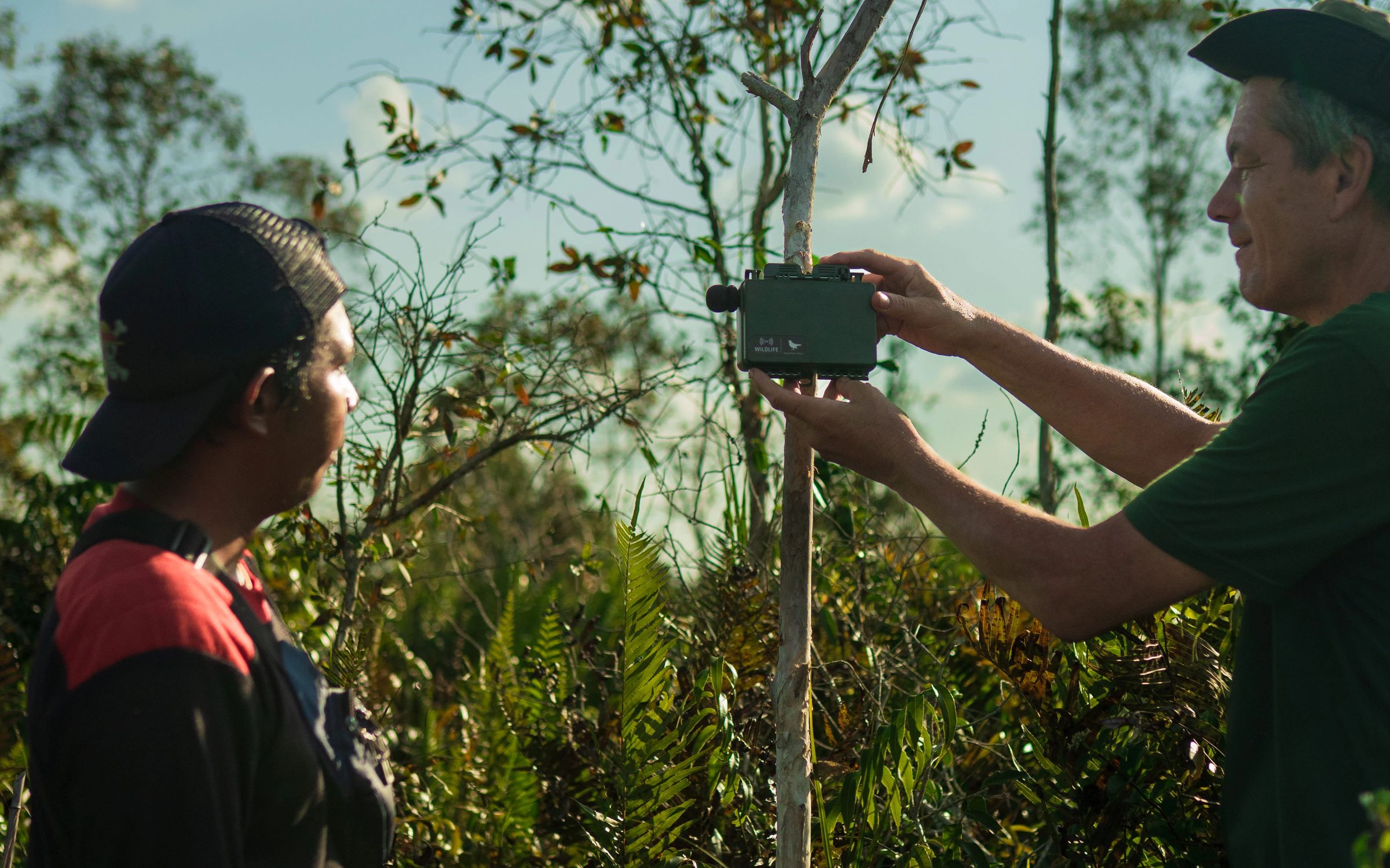
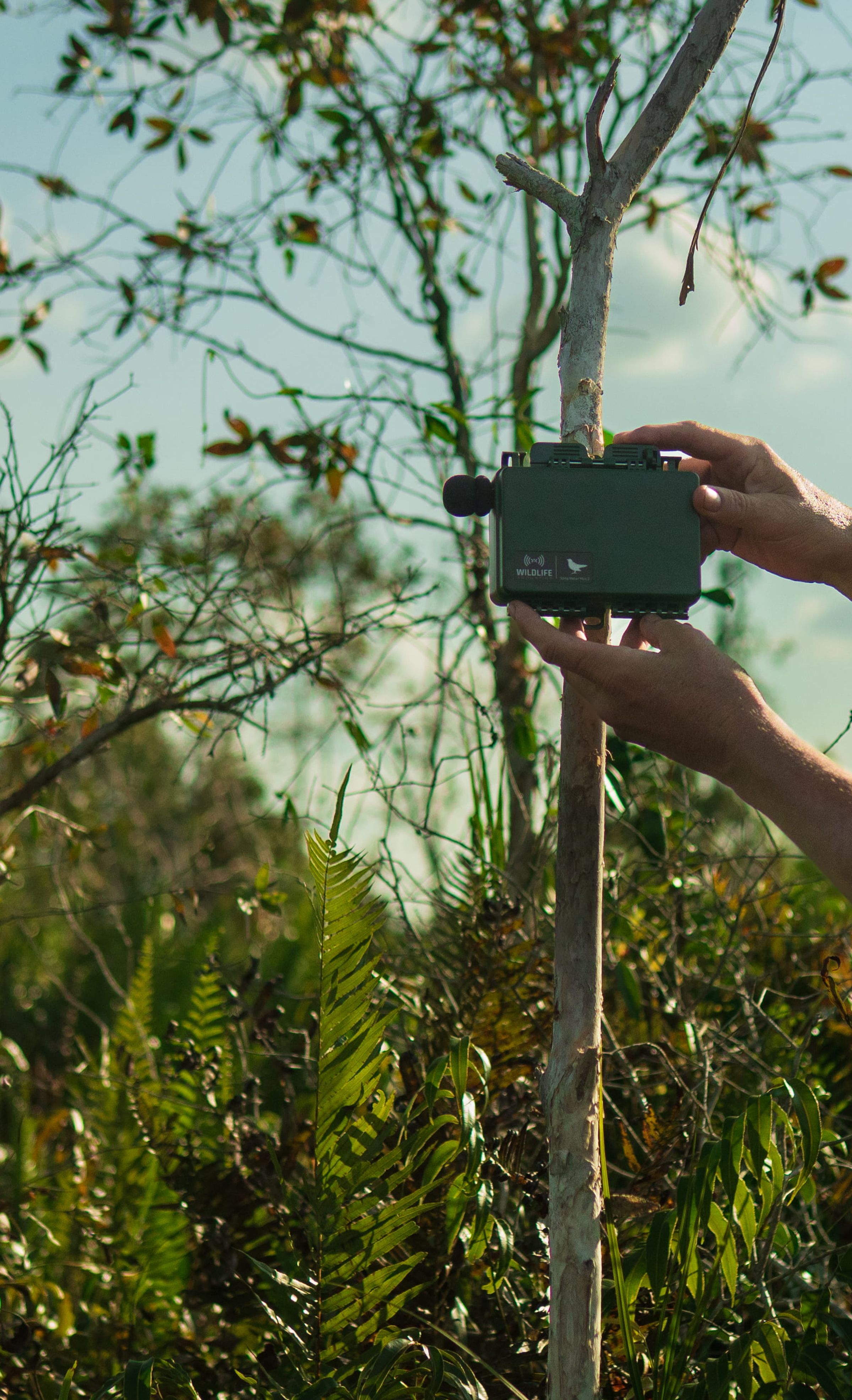
Interconnected social and environmental outcomes are mutually reinforcing
Community and market outcomes can support the long-term success of restoration, while healthy ecosystems can in turn strengthen local livelihoods, resilience and economic opportunities. Strong interdependencies across different time-horizons were also identified during the outcomes mapping. Some project activities generated more immediate social and economic outcomes, including education campaigns, local employment and spending with local suppliers. Over the medium and longer term, access to natural resources and improved soil, air and water quality could generate further benefits as the forest matures. More distant outcomes, such as eco-tourism, may only be realised once the fully restored forest has had time to establish itself as a viable habitat for charismatic wildlife.
Navigating these divergent timelines is one of the most significant methodological challenges of this type of evaluation. Environmental outcomes can operate across decades; social outcomes such as household income gains are measurable within a single year. Developing an integrated valuation framework that accounts for both, avoids double-counting, and maintains methodological coherence across both dimensions has required careful and deliberate design. It has also been important to take a proportionate approach to statistical testing of the early results, examining correlations between variables to better understand how different outcomes interact.
The interdependence of outcomes also has implications for risk. Reduced risk of wildfires and flooding, linked directly to healthy forest cover, is highly relevant to AXA XL's core business of insurance as well as to the communities and local economies that depend on landscape stability. This creates a compelling alignment between AXA XL's commercial interests and the long-term success of the project.
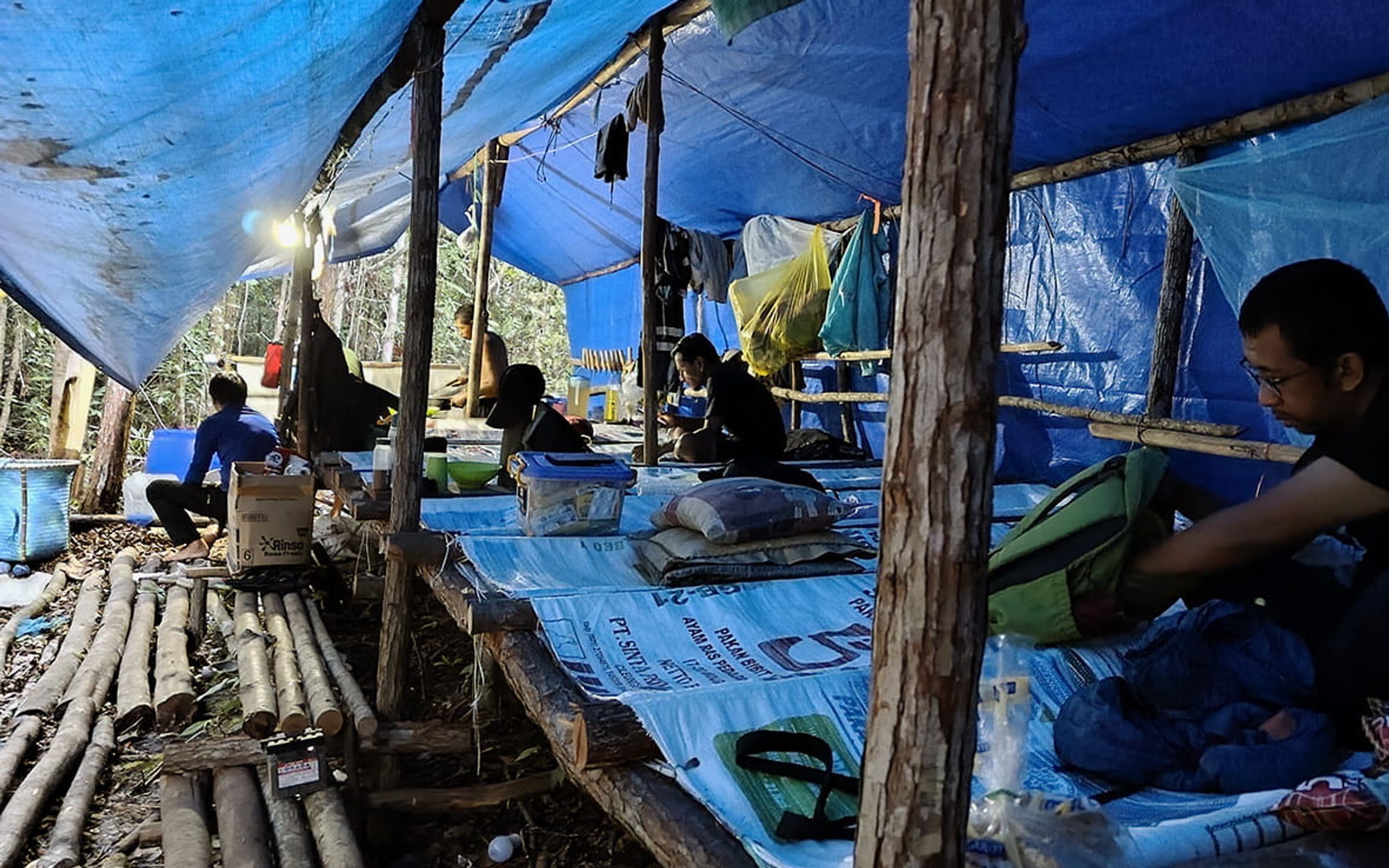
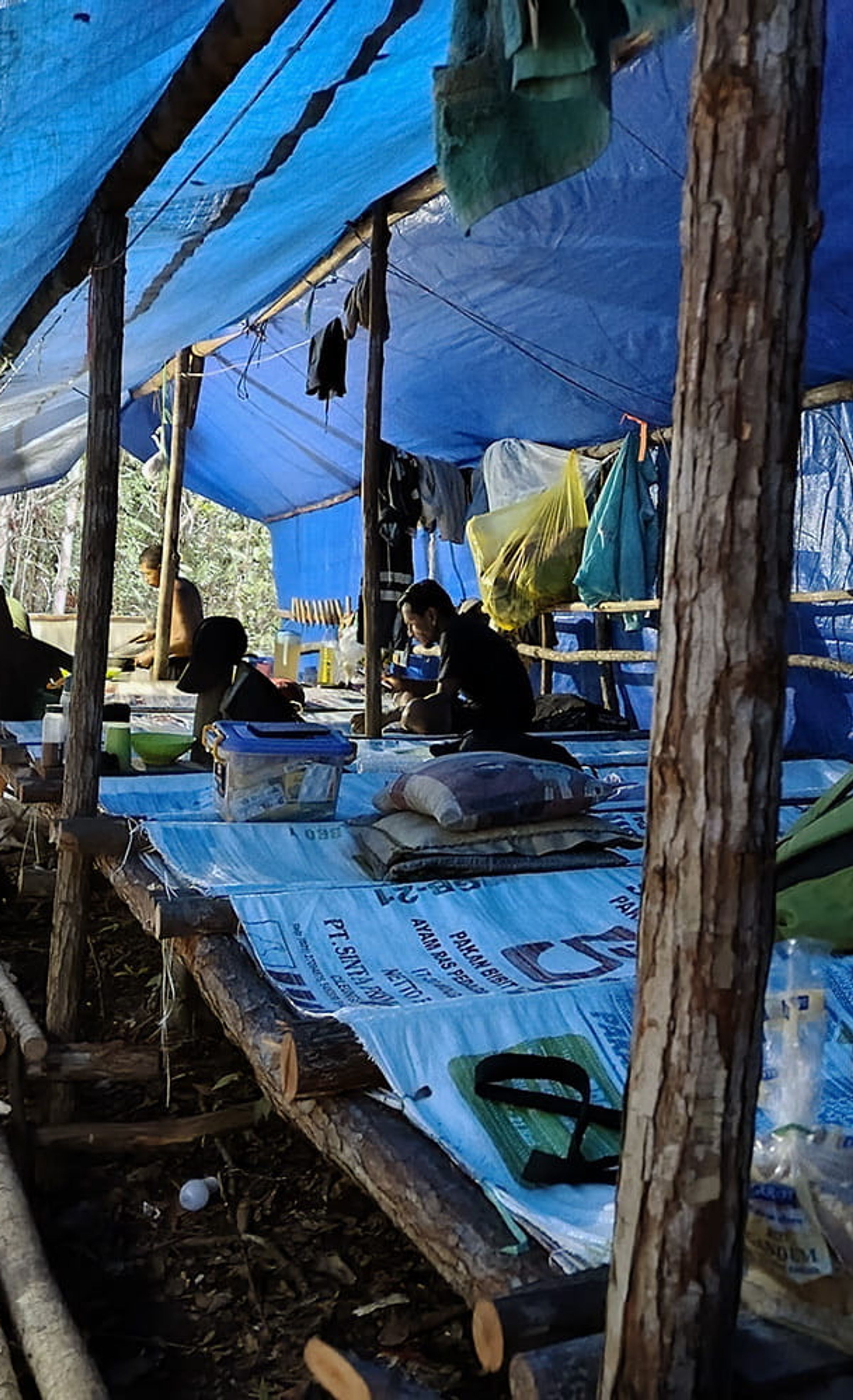
Stakeholder engagement and locally appropriate research are non-negotiable
As project designers, it is so easy to fall into the trap of listing outcomes based on what is expected to happen in the project. However, the evaluation has been underpinned by Social Value International “Principles of Social Value” since the outset. This starts with Principle 1 (Involve stakeholders) encapsulated by outcomes mapping with BNF and the decision to capture social data directly from local communities via research facilitated by BNF.
Linked to this is the importance of using tools, frameworks and metrics that are relevant to the local context to adhere to Principle 2 (Understand what changes) and Principle 3 (Value the things that matter). This necessitated intensive secondary research to both a) provide context for survey results and b) ensure that any primary data collection or analysis was culturally appropriate.
A combined team of AXA XL and Envoy researchers sought out secondary literature with the aim of sourcing, where possible, examples of similar studies or metrics. This shaped the research design for social data collection and the interpretation of environmental data already captured on site by Land Life and BNF.
Though it would have been easier to simply list outcomes and translate UK surveys into Bahasa (Indonesian), secondary research revealed the Indonesian Happiness Index, a national government survey. The Index contains validated wellbeing scales and regional benchmarks, informing both survey design and the SROI model build.
This increased the team’s confidence that the questions would be appropriate for local communities and results would be reliable and meaningful.
Opportunities for the insurance industry and other corporate actors
We see significant opportunities for corporate actors to adopt this kind of integrated approach, particularly sustainability teams working on social or climate projects, such as similar replanting initiatives, climate resilience programmes, or carbon credit investments. These programmes are often designed and evaluated in silos. Applying an SROI lens encourages a more inclusive and integrated approach to impact measurement, and could support more holistic reporting that demonstrates the wider value of investments to a broad range of stakeholders.
We also want to call on nature and climate-focused project designers, NGOs and funders to build social benefits and impact measurement into the design of nature-based solutions from the start. Prioritising funding and capacity for monitoring, evaluation and learning that captures both short- and long-term social and environmental outcomes is not a luxury: it deepens the evidence base, increases funder confidence and ultimately strengthens the case for continued investment in nature. We’ve been developing bespoke valuation frameworks that capture a range of ecosystem services resulting from the project such as carbon storage, erosion protection, water quality and supply, flood regulation, culture and recreation, and avoided fire damage and replanting costs.
Understanding this wide range of services and social benefits is crucial to the insurance sector through the growing importance of nature-based solutions. This creates a clear opportunity to explore how social outcomes can be assessed alongside environmental ones, and how social considerations might be integrated into the design of nature-related products and services. Reduction of wildfire and flood risk through successful reforestation, and the community resilience that accompanies sustainable local employment, are outcomes that speak directly to the long-term interests of insurers.
The Rungan SROI is still in progress. The methodological foundations developed through this work also contribute to a growing field- from integrating rich environmental data with locally grounded social indicators to navigating different outcome timelines and reflecting openly on both successes and challenges. We look forward to sharing the full results in due course.
Get in touch to learn more